
 فارسی
 العربیه
 English
Hysteroscopy/Laparoscopy
Hysteroscopy
One of the most recent diagnostic methods is hysteroscopy. In this procedure, the doctor inserts a thin, lighted tube, called hysteroscope, into the vagina to examine the cervix and inside of the uterus. Among the benefits of hysteroscopy are the following:
- simple and less invasive;
- requiring local anaesthesia or simple anaesthesia;
- simultaneous diagnosis and treatment;
- less pain than open surgery’
- reduced duration of convalescence; and
- reduced likelihood of surgical complications such as bleeding, infection, and adhesions.
Hysteroscopy is used for the diagnosis of infertility causes, recurrent miscarriage, abnormal uterine bleeding, and cervical myoma or uterine polyps as well as for removing displaced IUDs.
Laparoscopy
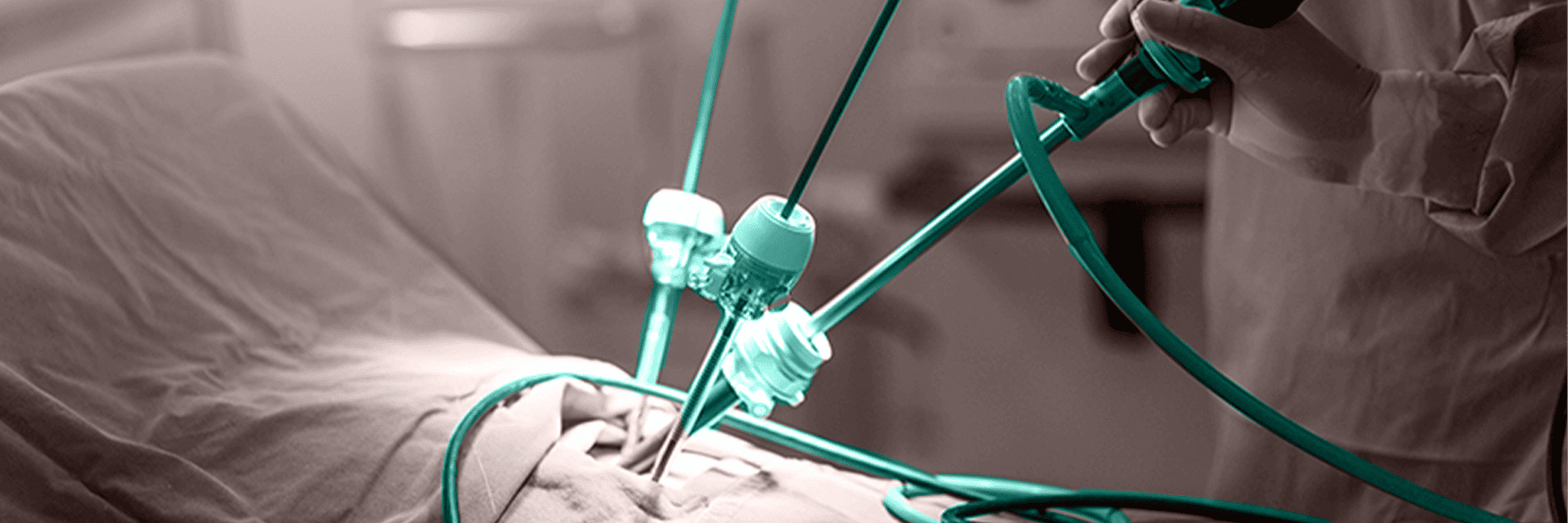
Laparoscopy is one of the widely used diagnostic-therapeutic methods for gynaecological diseases. In this procedure, the physician makes small incisions in the abdomen or pelvis and inserts a camera (laparoscope) to carefully examine abdominal and pelvic organs. This new method is considered a good alternative to open surgery because of features such as short duration of convalescence, minor postoperative complications, minimum damage and invasion, and small incisions that do not cause unpleasant scars. Laparoscopy is widely used for the diagnosis and treatment of many gynaecological diseases such as adhesions, Fallopian tube obstruction, endometriosis, infertility, and ectopic pregnancy (EP) and also in medical procedures like Hysterectomy, tubectomy (tubal ligation), ovarian cysts removal, and uterine fibroids removal.
Mom Fertility and Infertility Treatment Centre recruits a team of experienced specialists and employs the most up-to-date equipment to provide the best and high-quality services related to hysteroscopy and laparoscopy.