
 فارسی
 العربیه
 English

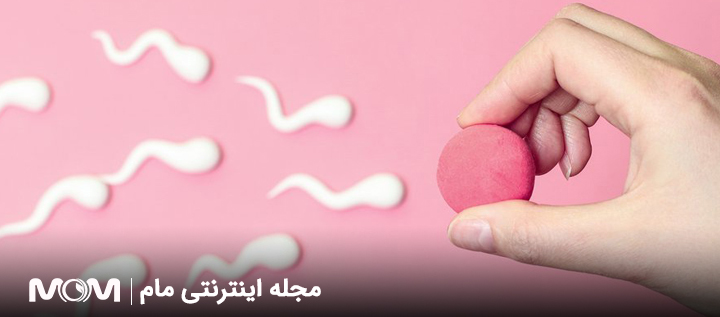
Who Doesn’t Ovulate?
The menstrual cycle is a hormonal process that prepares a woman’s body for a possible pregnancy. It is marked by monthly bleeding, commonly referred to as a period. Typically, ovulation occurs about two weeks before menstruation begins. Ovulation is the release of an egg from the ovary. In fact, having periods, maintaining a regular cycle, and getting pregnant are only possible if this process occurs and an egg is released from the ovary. Therefore, any factor that interrupts ovulation can disrupt the menstrual cycle and prevent pregnancy. The causes of anovulation are wide-ranging and can vary from a simple hormonal imbalance to complex genetic conditions.
But who are the women that don’t ovulate? What are the signs of anovulation? And can it be treated? We’ll answer these questions in the following sections.
How Does Ovulation Happen?
Ovulation and menstruation are complex processes controlled by the brain and hormones. The brain releases hormones that influence the ovaries, triggering the release of an egg and eventually leading to menstruation. To better understand this process, imagine ovulation as an orchestra. When everything is in sync, the music flows smoothly from start to finish. But if even one instrument plays off-key, the entire performance is disrupted. The same goes for ovulation: if even one hormone slightly drops in the days leading up to ovulation, the entire cycle can be affected, resulting in ovulatory dysfunction.
What Causes Anovulation?
Anovulation can affect anyone with ovaries who is in their reproductive years. Correct and timely diagnosis of the underlying cause can help guide treatment. Some of the common causes of anovulation include:
- Early puberty
- Perimenopause
- Primary ovarian insufficiency (POI)
- Polycystic ovary syndrome (PCOS)
- Very low body mass index (BMI)
- Obesity
- Hormonal disorders such as thyroid or prolactin imbalances
- Eating disorders
- Excessive exercise
Why Does Ovulation Stop?
Anovulation occurs when the ovary fails to release an egg. Many factors can disrupt ovulation, but it is most often caused by hormonal imbalances. Since several hormones play a role in ovulation, there can be many reasons for it to stop.
To better understand this, it's important to first know how ovulation and menstruation work. The hormones involved in ovulation include:
- Gonadotropin-releasing hormone (GnRH)
- Follicle-stimulating hormone (FSH)
- Luteinizing hormone (LH)
The ovulation process begins when a part of the brain called the hypothalamus releases GnRH. This hormone stimulates the pituitary gland (a gland in the brain) to secrete FSH and LH. Between days 6 and 14 of the menstrual cycle, FSH helps follicles (fluid-filled sacs in the ovaries that each contain a developing egg) in one of the ovaries to start maturing. During days 10 to 14 of the cycle, only one of the developing follicles produces a fully mature egg. Around day 14 of the menstrual cycle, a sudden surge in LH causes the ovary to release the egg.
Other hormones, although not directly responsible for ovulation, can still influence the body’s ability to produce the hormones necessary for ovulation. Therefore, any disruption in this hormonal process—whether direct or indirect—can lead to anovulation in women.
Causes of Anovulation
You may be wondering: what causes the egg not to be released? The failure of a mature follicle to release an egg, and the disruption of the process described in the previous paragraph, can have many underlying causes. The following conditions can also lead to the cessation of ovulation:
High levels of androgens
Androgens are a group of hormones that contribute to growth and reproduction. Typically, androgens are known as male hormones, but women's bodies also produce small amounts of them. Testosterone, androsterone, and androstenedione are types of androgens produced by the ovaries and adrenal glands. Elevated androgen levels can prevent follicles from maturing, causing them to remain small and undeveloped—resulting in a lack of ovulation. Conditions that may cause hyperandrogenism include:
- Polycystic ovary syndrome (PCOS)
- Obesity
- Adrenal gland disorders
- Pituitary gland disorders such as Cushing’s syndrome or acromegaly
- Certain medications, including anabolic steroids
Pituitary Gland Dysfunction (Hypogonadotropic Hypogonadism)
The pituitary gland produces luteinizing hormone (LH) and follicle-stimulating hormone (FSH), both of which are essential for ovulation. If your pituitary gland does not secrete enough LH and FSH, it can lead to anovulation. The following conditions and situations may cause the pituitary gland to produce insufficient LH and FSH:
- Having a very low weight or body mass index (BMI)
- Engaging in prolonged or excessively intense exercise
- Sheehan’s syndrome
- Pituitary gland tumor
- Damage to the pituitary gland
High Prolactin Levels (Hyperprolactinemia)
Prolactin is a hormone primarily secreted by the pituitary gland to stimulate breast milk production (lactation). Prolactin can suppress the secretion of LH and FSH, which are necessary for ovulation. Therefore, elevated levels of prolactin in the blood can result in anovulation. Conditions and situations that may lead to hyperprolactinemia include:
- Breastfeeding
- Pituitary gland tumor called prolactinoma
- Damage to the pituitary gland
- Kidney, liver, or thyroid disease
- Certain medications such as antipsychotics, opioids, and drugs used to treat ulcers or that increase stomach acid levels
Low Thyroid Hormone Levels (Hypothyroidism)
The thyroid is a butterfly-shaped gland located at the front of the neck. It produces two hormones that are essential for many important bodily functions:
- Triiodothyronine (T3)
- Thyroxine (T4)
Having low levels of thyroxine in the blood can increase the amount of prolactin secreted by the pituitary gland. Prolactin suppresses luteinizing hormone (LH) and follicle-stimulating hormone (FSH), which are necessary for ovulation. Therefore, low levels of thyroxine can result in anovulation. Conditions and situations that can cause hypothyroidism include:
- Hashimoto’s thyroiditis
- Thyroid surgery
- Radiation therapy
- Certain medications such as lithium
Low Gonadotropin-Releasing Hormone (GnRH) Levels
The hypothalamus produces gonadotropin-releasing hormone (GnRH), which stimulates the secretion of luteinizing hormone (LH) and follicle-stimulating hormone (FSH)—both essential for ovulation. For this reason, low levels of GnRH in the blood can lead to anovulation. Damage to the hypothalamus can result in reduced GnRH levels.
Non-Hormonal Causes
The impact of obesity on ovulation is well-known, but being underweight, engaging in excessive exercise, or not consuming enough calories can also cause hormonal imbalances that lead to anovulatory cycles. In addition, the effect of stress on ovulation has been well established. Significant stress can influence hormone levels in the body and, as a result, disrupt ovulation.
The effect of aging on ovulation is usually not dramatic, and it can be said that ovulation is not directly affected by age alone.
How Can Ovulation Be Detected?
Just as the length of the menstrual cycle can vary from person to person, the timing of ovulation may also differ from month to month. The estimated time of ovulation can be calculated by counting 12 to 16 days before the expected start of the next period. This means ovulation typically occurs 12 to 16 days before the next menstrual bleeding. Ovulation is usually accompanied by the following signs:
- A rise in basal body temperature
- Changes in cervical mucus (discharge resembling egg whites)
- Sudden pain or mild cramping in the lower abdomen
- Increased sexual desire
- Light spotting
- Swelling of the labia minora or vaginal area
What Are the Signs of Not Ovulating?
Being aware of even the slightest ovulation symptoms and tracking your menstrual cycles can help alert you to signs of anovulation. It is important to remember that having regular periods makes anovulation less likely, but menstruation and bleeding do not necessarily indicate that ovulation has occurred. Signs and symptoms of not ovulating may include:
Irregular Periods
If the time between your periods constantly changes and is not predictable, it means your menstrual cycle is irregular.
Very Heavy or Very Light Periods
Losing more than 16 teaspoons (80 milliliters) or less than 4 teaspoons (20 milliliters) of blood during menstruation, or having a period that lasts more than seven days or less than three days, is considered abnormal. It may be easier to pay attention to how often you fill a sanitary pad during your period. In general, soaking one pad per hour for several consecutive hours may indicate a heavy period.
Missed Periods (Amenorrhea)
Missing one or more menstrual periods—known as amenorrhea—can be a sign of anovulation.
Lack of Egg White-Like Discharge
Right before and during ovulation, your vaginal discharge should resemble raw egg whites—clear, slippery, and stretchy. If you don’t observe this type of discharge, it may be a sign that you are not ovulating.
Irregular Basal Body Temperature
Your basal body temperature (BBT) is your body’s temperature when you're completely at rest. You can measure it immediately after waking up, before getting out of bed. Ovulation typically causes a slight rise in BBT.
Can You Get Your Period Without Ovulating?
Menstruation occurs because an egg has not been fertilized by sperm. Without ovulation, there is no egg to be fertilized. Based on this medical definition, it is scientifically not possible to have a true menstrual period without ovulation. However, you may still experience bleeding even if you have not ovulated.
Bleeding that occurs in the absence of ovulation is known as abnormal uterine bleeding (AUB). AUB is uterine bleeding that is irregular and does not follow a typical menstrual cycle. It is quite common—about 30% of women experience it at some point in their lives.
How Is Anovulation Diagnosed?
The first step in diagnosing anovulation involves reviewing clinical symptoms, medical history, physical examination, and tracking the individual's menstrual cycle. Observing associated symptoms such as breast tenderness, cervical mucus secretion, and resting body temperature can also help in diagnosing anovulation.
Blood tests may be recommended as well. These tests can measure levels of progesterone, prolactin, thyroid hormones, testosterone, and other hormones. In some cases, ultrasound imaging may be advised to check for any concerns in the pelvic organs or the lining of the uterus.
Treatment for Anovulation
Treatment for anovulation largely depends on the underlying cause, but it often begins with lifestyle changes. If the cause of anovulation is related to weight, returning to and maintaining a healthy body weight can help restore ovulation. In addition, managing stress, eating a nutritious diet, and engaging in moderate physical activity may help the body correct hormonal imbalances.
Hormonal medications can also have a significant effect on ovulation. Drugs that increase hormone levels, such as clomiphene citrate, may be prescribed to help trigger the release of an egg.
For those experiencing infertility due to anovulation, in vitro fertilization (IVF) may be an alternative method for achieving pregnancy—especially when ovulation-stimulating medications alone are not effective. IVF involves manually retrieving eggs from the ovaries, fertilizing them with sperm, and implanting them into the uterus.
Frequently Asked Questions
Does the length of the menstrual cycle change if there is no ovulation?
The length of an anovulatory cycle varies from person to person and mostly depends on the underlying cause. Anovulatory cycles can be the same length, shorter, or longer than normal cycles.
When will ovulation return?
The return of ovulation after an anovulatory cycle varies from person to person. Some may ovulate during the next menstrual cycle, while others may go months or even years without ovulating.
Are there herbal treatments for ovulation?
Treatment depends on the cause of anovulation, but in general, herbal remedies and traditional medicine may be supportive alongside medical treatments. On their own, however, they are typically not sufficient.
Can polycystic ovary syndrome (PCOS) stop ovulation?
Yes. PCOS is one of the most common causes of anovulation. In this condition, the hormonal balance necessary for ovulation is disrupted. Androgens such as testosterone are elevated, and high levels of testosterone can prevent ovarian follicles (which contain eggs) from maturing and releasing eggs.
Is anovulation the same as the cessation of egg production?
No. Anovulation does not mean the ovaries have stopped producing eggs. The eggs are present in the ovaries but are not being released. Although ovarian reserve decreases with age, that alone does not prevent ovulation.
Can anovulation affect fertility?
Yes. Anovulation means that no egg is released to be fertilized by sperm, and therefore it is associated with infertility.
Final Thoughts on Anovulation
An anovulatory cycle is a menstrual cycle in which ovulation—or the release of an egg from the ovaries—does not occur. Anovulation is often due to hormonal imbalances caused by a variety of factors.
If you notice irregular menstrual cycles or abnormal vaginal bleeding, it's important to consult a healthcare provider to identify the root cause and receive appropriate treatment.