
 فارسی
 العربیه
 English
PGS/PGD
PGS/PGD
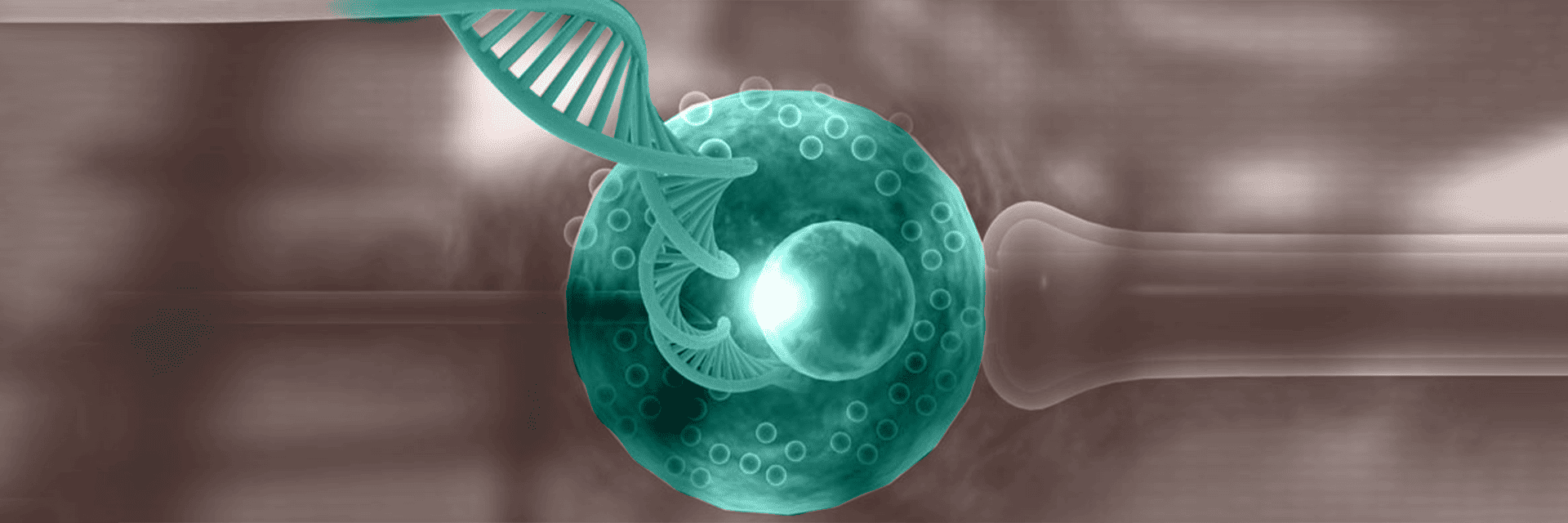
Preimplantation genetic diagnosis (PGS) is a new reproductive technology performed before implantation to identify genetic defects in embryos obtained through IVF. In this method, genetic tests are performed on embryos in order to select the best embryo for impanation and pregnancy. When one or both parents have a known genetic disorder, PGD is used to identify embryos with genetic abnormalities in order to prevent the transmission of defective genes to children. Preimplantation genetic screening (PGS) is used for the examination of aneuploidy in parental embryos. Preimplantation genetic testing can help alleviate the adverse effects of pregnancy termination (in fetuses with genetic and chromosomal abnormalities) diagnosed by amniocentesis or chorionic villus sampling.
What couples are candidates for PGD?
- Couples with a family history of X-linked recessive disorders
- Carriers of autosomal recessive and dominant diseases
- Couples with chromosomal translocation that can cause implantation failure, recurrent miscarriage, and mental and physical problems in children
What couples are candidates for PGD?
- Women aged 35 years or older
- Couples with a history of repeated IVF failure (3 times or more)
- Severe male factor infertility disorders
PGD and PGS are also used for sex determination and diagnosis of fetal-related diseases such as haemophilia.
PGD and PGS Processes
First, the ovary is stimulated to produce multiple eggs for IVF, and then eggs are extracted by puncturing. The resultant eggs will be fertilized in vitro by spermatozoa provided by self-ejaculation. The biopsy of embryos is perfumed within 3 days after fertilization when they are at the normal cell stages of 6 through 10. One or two blastomeres are removed from each embryo, and all 24 chromosomes (22 autosomal chromosomes and 2 sex chromosomes) will be examined. Genetic and aneuploidy tests can be performed 24 hours after the biopsy. Healthy embryos can be transferred to the uterus 4 to 5 days after the biopsy. The embryos with genetic and chromosomal abnormalities will be discarded after getting permission from parents.
Mom Fertility and Infertility Treatment Centre employs the most up-to-date equipment and recruits experienced specialists in order to provide clients with the above-mentioned specialized services.