 فارسی
 العربیه
 English


IVF Side Effects
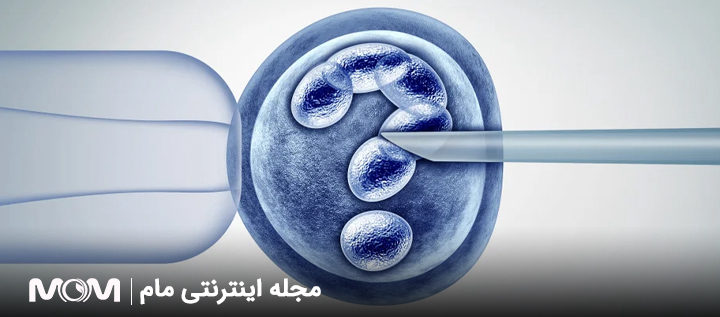
In this article, we aim to inform those considering IVF about its possible side effects. But first, what exactly is IVF? In vitro fertilization (IVF) is one of the most common assisted reproductive technologies (ART). It is a fertility treatment in which an egg and sperm are manually fertilized in a laboratory, and the resulting embryo is then transferred into the uterus. This method helps individuals and couples struggling with infertility experience parenthood.
Some women are able to resume their daily activities just a day after completing the IVF process, although it's generally recommended to take some rest. Like many medical procedures, IVF can come with certain side effects and complications. In the following sections, we will explore some of the most common side effects associated with IVF.
What Are the Side Effects of IVF?
IVF (in vitro fertilization) involves several stages, including ovarian stimulation, egg retrieval (also known as follicular puncture), fertilization of the egg with sperm, and finally, embryo transfer to the uterus. In this section, we’ll explore the possible side effects associated with each of these IVF stages.
Ovarian Stimulation
Before starting IVF, a series of hormonal ovulation-stimulating drugs are prescribed to help the ovaries mature more eggs. The side effects of fertility drugs may include:
Bloating and abdominal discomfort
One of the most common side effects of hormonal medications is a feeling of bloating and discomfort in the abdominal area. This is usually caused by fluid retention.
Abdominal pain and tenderness
Some women may feel pain or sensitivity in the area of the ovaries.
Mood swings
Hormonal changes can lead to mood swings, anxiety, and irritability. These side effects may result from fluctuations in hormone levels.
Headaches
Some women may experience frequent headaches during treatment.
Fatigue
Hormonal treatments may lead to feelings of fatigue or low energy.
Ovarian hyperstimulation
Fertility drugs may rarely cause ovarian hyperstimulation syndrome (OHSS). Symptoms of OHSS may include abdominal pain, bloating, nausea or vomiting, reduced urination, shortness of breath, fainting, and sudden weight gain within three to five days. If you notice any of these symptoms, contact your doctor immediately.
Overall, while IVF medications can have side effects, many of them are usually temporary and manageable. Consulting with a fertility specialist can help you set better expectations and find ways to manage these side effects.
Egg Retrieval (Puncture) Side Effects
Egg retrieval is one of the key steps in the IVF process, during which eggs are collected from the ovaries under general anesthesia. Overall, the risks and complications associated with egg retrieval are usually low, and most women undergo this procedure without serious issues. Below are some possible side effects:
Pain and Discomfort
After the procedure, some women may feel pain or discomfort in the abdominal area. This pain is typically mild and temporary.
Bleeding
There is a possibility of bleeding at the site of the procedure. This bleeding is usually light, but in rare cases, it can be more severe.
Infection
Any surgical procedure carries a risk of infection. If symptoms such as fever, severe pain, or abnormal discharge occur, it is important to contact your doctor.
Damage to Surrounding Tissues
In rare cases, there may be injury to nearby tissues, such as blood vessels or the bladder. These risks largely depend on the experience and skill of the fertility specialist and the availability of modern equipment at the fertility center.
Reaction to Anesthesia
Some patients may react to anesthesia drugs, which can cause side effects.
Fatigue and Weakness
Some women may experience feelings of fatigue and weakness after the procedure.
Warning Signs
If you experience symptoms such as heavy vaginal bleeding, unbearable pain, blood in the urine, or a high fever (above 38°C), be sure to contact your doctor immediately.
Stress: Another Side Effect of IVF
Assisted reproductive technologies (ART) require a significant physical, emotional, and financial commitment from couples. Psychological stress and emotional challenges are common during the IVF process, especially when treatment fails. Moreover, ART procedures are expensive, and many insurance plans do not cover the associated costs. Therefore, having emotional support from family and loved ones can be incredibly helpful throughout the IVF journey.
Side Effects After Embryo Transfer in IVF
After embryo transfer during the IVF process, some specific symptoms or side effects may occur. These effects can result from hormonal changes, reactions to medications, or the embryo transfer procedure itself. Below are some of the possible side effects:
Pain and Discomfort
Some women may experience mild abdominal pain or discomfort after embryo transfer. This discomfort is usually temporary and manageable.
Light Bleeding
In some cases, light bleeding or spotting may occur after the embryo transfer, which is often a sign of implantation. However, if the bleeding is heavy or prolonged, you should consult your doctor.
Medication-Related Side Effects
If hormonal medications are used to support the pregnancy, side effects such as headaches, nausea, and breast tenderness may appear.
IVF Side Effects for Gender Selection
One concern surrounding gender selection through IVF is the process of removing a cell from the embryo. It may seem that removing even one cell could cause harm—but is that really the case?
In gender selection using PGD (Preimplantation Genetic Diagnosis)—performed during IVF—one or more cells are taken from the embryo at the blastocyst stage (usually on the fifth day after fertilization). At this stage, the embryo consists of several cells, all of which have the potential to develop into different types of tissue, but none of them yet serve a specific function within the embryo. These cells are present in the early stages of development and have not yet differentiated into specific tissues, meaning that removing them does not cause damage or deformities in the embryo.
This process is generally carried out with high precision and advanced techniques to minimize any potential harm. Evidence shows that in most cases, embryos continue to develop normally after this procedure, and healthy babies are born. However, some studies have indicated that there may be concerns about the potential impact of this process on embryo development, but such risks are very low and rare.
Do IVF Medications Cause Weight Gain?
The medications used in IVF (in vitro fertilization) typically include ovarian stimulation hormones prescribed to encourage the ovaries to produce multiple eggs. The effect of these medications on weight can vary depending on the individual and their physical condition. Some people may not experience any weight gain at all. In general, any weight-related effects of these medications may result from the following factors:
Water Retention
One of the common side effects of hormonal medications is fluid retention, which can lead to temporary weight gain. This weight gain is usually due to the accumulation of fluids and tends to decrease gradually after the treatment ends.
Hormonal Changes
Hormonal changes caused by fertility drugs can affect metabolism and appetite. Some women may feel hungrier during this period or develop cravings for certain foods. If this increased appetite is not well managed, it can lead to weight gain.
In fact, actual weight gain may occur, but it is usually due to changes in lifestyle, diet, and physical activity during the course of treatment—not solely because of the medications.
Do IVF Babies Have a Normal Life Expectancy?
In the past, it was believed that babies born through IVF might face certain health concerns, such as genetic disorders or risks of preterm birth. However, evidence now shows that the life expectancy of children conceived through IVF (in vitro fertilization) is generally comparable to that of other children.
Research indicates that IVF babies tend to live just as long as naturally conceived children, and there is no conclusive evidence to suggest that being born via IVF specifically leads to a reduced lifespan.
Do IVF Medications Increase Cancer Risk?
The potential link between IVF and an increased risk of cancer is a subject of ongoing medical research and is a common concern among many people. The medications used in IVF to stimulate the ovaries may influence hormone levels. These hormonal changes could theoretically affect the risk of developing certain types of cancer—particularly hormone-sensitive cancers such as breast cancer—but there is no conclusive evidence supporting this connection.
Most studies indicate that the likelihood of developing cancer in women who undergo IVF is probably similar to that of women who do not.
Many factors—including age, family history, lifestyle, and environmental exposures—play a role in cancer risk. These factors may have a greater impact on cancer development than the fertility drugs used during IVF. In reality, breast cancer can occur for a variety of reasons, so it cannot be simply concluded that IVF alone causes breast or other types of cancer.
Moreover, each individual may respond differently to hormonal and fertility treatments. Some women may have genetic risk factors that make them more prone to cancer. If someone has a family history of cancer or is concerned about the potential side effects of fertility treatments, consulting a medical specialist can offer better guidance and help develop a personalized plan to manage those risks.
Does IVF Hurt?
The IVF process involves several stages, some of which may cause mild pain or discomfort. In general, most women find these steps to be tolerable. Below is an overview of each stage and the sensations commonly associated with them:
Ovarian Stimulation
In this phase, hormonal medications are prescribed to stimulate the ovaries. These drugs may cause side effects such as bloating, mild pain, or abdominal tenderness.
Ovarian Puncture
This stage involves retrieving eggs from the ovaries. The procedure is usually performed under anesthesia. Some women may feel mild discomfort or pain afterward, but this is typically temporary and manageable.
Embryo Transfer
This step is generally painless, although some women may experience mild cramping or uterine discomfort.
Medication Side Effects
During treatment, hormonal medications may cause side effects such as headaches, mood swings, and breast tenderness. Additionally, most of the medications used in IVF are given via injection, and as with any injection, they may cause localized pain.
Ways to Cope with IVF Side Effects
Managing the side effects and challenges of IVF can help you navigate the process more smoothly. Below are several strategies for coping with IVF-related symptoms:
Education and Awareness
Learn as much as you can about the various stages of IVF and their possible side effects. Being informed about what to expect can help reduce stress and anxiety.
Emotional Support
Talk to friends, family, or support groups. Sharing your experiences and emotions can help you feel less alone.
Stress Management
Try relaxation techniques such as meditation, yoga, and deep breathing exercises. These practices can help lower stress and anxiety levels.
Healthy Diet
A balanced and nutritious diet can improve your overall health and help alleviate symptoms like bloating. Be sure to include fruits, vegetables, healthy proteins, and plenty of water.
Regular Exercise
Gentle physical activities like walking or light workouts can boost your mood and help reduce bloating and discomfort.
Rest and Sleep
Give yourself time to rest and ensure you get enough sleep. Proper rest supports overall health and helps reduce fatigue.
Medical Counseling
Talk to your doctor about any concerns or side effects you’re experiencing. Your physician can offer guidance and recommend effective ways to manage symptoms.
Prescription Medications
If needed, use prescribed medications to relieve specific symptoms. Avoid self-medicating and always consult your doctor.
Emotional Awareness
Acknowledge and reflect on your emotions—whether they’re anxiety, frustration, or happiness. Journaling your feelings may help you process them more effectively.
Realistic Expectations
Set realistic expectations about the IVF process and the time it may take to achieve pregnancy. Doing so can ease psychological pressure.
By following these strategies, you can better manage the side effects of IVF and have a more positive overall experience.
In Conclusion
IVF is one of the most effective treatments for infertility and has helped many couples achieve their dream of having a child. However, the process can come with certain side effects and challenges, including reactions to medications, egg retrieval procedures, and the post-embryo transfer period. Understanding these side effects and knowing how to manage them is essential. Despite these difficulties, many women and couples have successfully navigated the IVF journey and achieved pregnancy.
Emotional support, medical guidance, and relaxation techniques can all play a key role in managing the side effects of IVF.
Ultimately, it’s important for each individual to have realistic expectations based on their own situation and to consult their doctor if they experience any unusual symptoms or concerns. Staying hopeful and maintaining a positive mindset can make a significant difference during this challenging yet hopeful journey