
 فارسی
 العربیه
 English

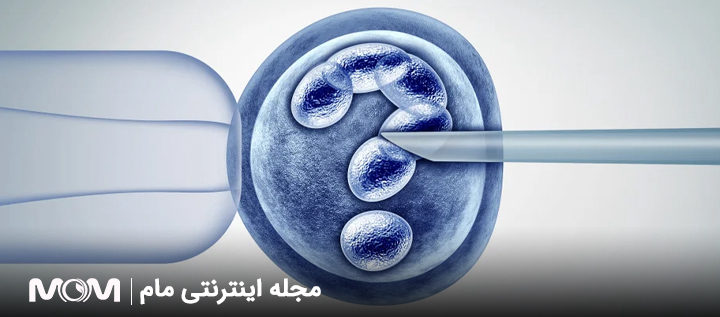
IVF (In vitro fertilization procedure)
In this article, we will explore the detailed steps involved in the IVF (In Vitro Fertilization) process. IVF is one of the most widely known assisted reproductive technologies (ART). It is a process where an egg and sperm are manually combined in a laboratory, and the resulting embryo is transferred into the uterus. Other ART methods include Gamete Intrafallopian Transfer (GIFT) and Zygote Intrafallopian Transfer (ZIFT).
Why IVF Is Recommended
IVF is recommended for couples facing fertility challenges due to the following conditions:
- Blocked or damaged fallopian tubes
- Removed fallopian tubes
- Male infertility factors (low sperm count or poor motility)
- Ovulation disorders, premature ovarian failure, uterine fibroids
- Genetic disorders
- Endometriosis
- Presence of antibodies against sperm or eggs
- Inability of sperm to penetrate or survive in cervical mucus
- Unexplained infertility
How IVF Is Done
Before IVF treatment begins, there is a preparatory period of about 4 weeks involving hormone level assessments, ultrasounds, and required laboratory tests. The core IVF process then proceeds through the following steps:
Step 1: Ovarian Stimulation
Fertility medications are administered to stimulate the ovaries to produce multiple eggs. This stage lasts around two weeks. Regular ultrasounds and blood tests monitor follicle development and hormone levels.
Step 2: Egg Retrieval (Oocyte Aspiration)
Once the follicles mature, a minor surgical procedure called egg retrieval is performed. Guided by ultrasound, a thin needle is inserted through the vaginal wall to collect eggs from the ovaries. Pain relievers are given to ensure comfort.
Step 3: Sperm Collection
On the same day as egg retrieval, a sperm sample is collected, either through ejaculation or testicular extraction (TESE). The sperm is then processed in the lab to isolate the healthiest ones.
Step 4: Fertilization
The eggs and sperm are combined in a laboratory dish. In cases of low fertilization probability, Intracytoplasmic Sperm Injection (ICSI) is used, where a single sperm is injected directly into the egg. Fertilized eggs are monitored for cell division and development.
Couples at risk of genetic disorders may also opt for Preimplantation Genetic Diagnosis (PGD) within three to four days after fertilization.
Step 5: Embryo Transfer
Embryos are transferred to the uterus three to five days after fertilization. A catheter is used to place the embryo(s) in the uterus. Most patients experience little to no pain during this process. Implantation typically occurs 6 to 10 days after egg retrieval.
The number of embryos transferred depends on maternal age and the number and quality of embryos. The likelihood of implantation decreases with age, often requiring the transfer of multiple embryos, which increases the chance of multiples.
IVF Success Rate
The success of IVF depends on several factors, including reproductive history, age, cause of infertility, and lifestyle. While IVF can offer the possibility of gender selection, its success rate does not match that of natural conception. Multiple attempts may be necessary.
When eggs or sperm are not viable, donor eggs, donor sperm, or donor embryos may be used. Consultation with a fertility counselor is advised to understand the legal aspects of donation.
How Many IVF Visits Are Required?
There is no fixed number, as IVF is not a guaranteed treatment. However, we outline the typical appointments and timeframes to help couples plan, especially those traveling or needing time off work:
Initial Consultation
No specific cycle day required
Includes medical history review and treatment planning
Cycle Start Visit
Must occur within the first three days of menstruation
Fertility medications are prescribed
Follicular Monitoring
Scheduled 7–9 days after starting stimulation
Ultrasound is used to adjust medication dosage
Egg Retrieval Day
Typically on day 14–16 of the cycle
Partner provides sperm sample
Embryo Transfer Cycle Start
Starts with the second period after egg retrieval
Occurs in the first three days of menstruation
Endometrial Thickness Check
Performed on day 9 or 10 of the transfer cycle
Embryo Transfer Day
Usually on day 18 or 19 of the cycle
Delays or cancellations can occur, requiring frozen embryo transfer at a later time. A pregnancy test is done two weeks after embryo transfer.
Duration of IVF Procedures
Egg retrieval is a 30-minute outpatient procedure. Embryo transfer takes about 15 minutes. However, preparation and follow-up may span several weeks.
For more information, visit our website or consult with our fertility specialists at Mom Center.


