 فارسی
 العربیه
 English
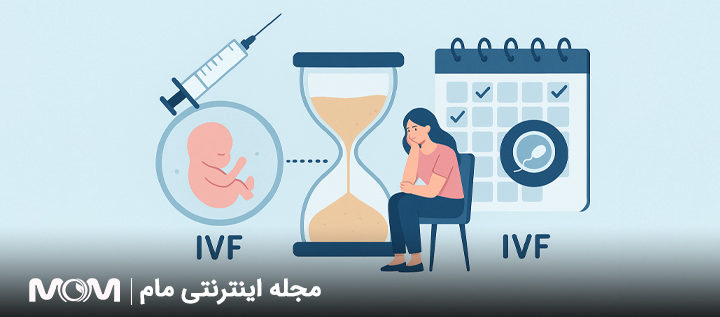
With the rise in infertility issues, many couples experience difficulties with natural conception. Depending on the cause of infertility, specific assisted reproductive techniques may be recommended. One of the most common methods is IVF (in vitro fertilization). This is a process in which a woman’s egg is fertilized by sperm outside the uterus to create an embryo, which is then transferred to the womb.
A negative beta test after IVF might be the worst news an infertile couple can receive. It is deeply distressing not only for the individual but also for their partner. The emotional impact of a failed IVF attempt can be as painful as a pregnancy loss. While IVF has a high success rate, it does not always work on the first attempt. Couples planning to undergo IVF should understand that the procedure does not guarantee 100% success. Although many women become pregnant after the first cycle, others may require multiple attempts. Undergoing more IVF cycles can increase the chances of conception. In such cases, many couples wonder when they can try again.
If you are considering a second IVF attempt, it is important to know the appropriate timing. The interval between two IVF treatments depends on the individual's health condition and the doctor’s assessment. Below, we will explain more about the optimal timing for the next IVF cycle and why this interval matters.
Timing Between Two IVF Cycles
Doctors assess each patient’s individual condition to recommend the appropriate timing for the next IVF attempt and to decide how long the patient should wait before trying again. However, there are also some general guidelines. The standard interval between IVF cycles is about four to six weeks after a negative pregnancy test. Ideally, it is recommended to wait until at least one full menstrual cycle has passed.
Why Should There Be a Gap Between IVF Cycles?
After an unsuccessful IVF cycle, it is completely understandable that many women are eager to try again right away. However, the first thing to do after a failed IVF is to understand the reasons behind the failure. This can help prevent repeating the same mistakes. Once those reasons are clear, you can explore ways to increase your chances of success in the next attempt.
Most importantly, it is necessary to allow for an appropriate time gap before undergoing another IVF cycle. Although waiting a few weeks may feel long, there are valid reasons why this short break is recommended. We will discuss those reasons below.
Reducing Inflammation
The medications used to stimulate the ovaries may cause a certain degree of inflammation in the reproductive system. While this inflammation is not generally a serious concern, most doctors recommend allowing it to subside before starting a new IVF cycle.
Reducing Stress and Anxiety
Any fertility treatment can be stressful, especially if it has been unsuccessful. It’s beneficial to take a short break, focus on something else for a while, and allow your mind to relax.
Financial Considerations
IVF treatment is often costly. Some couples may need time to organize their finances and prepare for the expenses of another treatment cycle.
What Factors Influence the Timing Between IVF Cycles?
Many factors influence the interval between IVF cycles. Key considerations include the patient’s age, reproductive health, and the emotional well-being of the couple. Additionally, the IVF timeline may depend on whether a completely new cycle is required (meaning the patient will undergo ovarian stimulation and egg retrieval) or if frozen embryos from a previous cycle are available for use.
Does a Short or Long Gap Between IVF Cycles Affect Pregnancy Success?
Yes, some studies have shown that shorter intervals between IVF cycles may reduce the chances of success in the second cycle, as the body may not have enough time to recover and prepare. On the other hand, longer intervals may allow the body to heal, but they could also lead to a decline in egg quality or uterine conditions.
For this reason, most specialists recommend waiting approximately 1 to 2 months between IVF cycles. This allows the body to fully recover and creates more favorable conditions for the next attempt. However, the optimal timing depends on each patient’s individual situation and should be determined under the guidance of a fertility specialist.
Important Tips for Preparing Before Starting a Second IVF Cycle
After an unsuccessful IVF attempt, doctors will review potential causes of failure and determine whether any adjustments should be made for the next cycle. Aside from maintaining your physical and mental well-being, no special actions are required to prepare for another IVF attempt. In the weeks leading up to your second IVF cycle, we recommend:
- Following a balanced, nutrient-rich diet
- Staying physically active, while avoiding intense activities
- Setting aside time for rest and mental focus (e.g., yoga, meditation, deep breathing)
How Many Times Can IVF Be Repeated?
Undergoing multiple IVF cycles can increase the chances of achieving a successful pregnancy. However, it also comes with specific physical, emotional, and psychological risks. Medically, there is no strict limit on the number of IVF cycles a person can undergo. The recommended number of IVF cycles for an individual depends on various factors such as age, fertility issues, overall health, financial resources, and emotional well-being.
Age is a key factor in determining both IVF success rates and how many cycles should be attempted, as fertility decreases with age. Women over the age of 40 may have lower chances of success, which can limit the number of IVF cycles. The American Society for Reproductive Medicine (ASRM) recommends the following:
- Women under 35: up to 6 IVF cycles before considering alternatives
- Women aged 35–37: up to 5 cycles
- Women aged 38–40: up to 4 cycles
- Women over 40: consider donor eggs after 2–3 unsuccessful IVF attempts
Individuals with certain medical conditions such as heart disease, diabetes, or cancer may also be limited in the number of IVF cycles they can safely undergo, as IVF may worsen their health condition. Additionally, IVF can be expensive, and not all couples can afford multiple cycles. Therefore, financial capacity is another major factor that affects how many IVF cycles a person can realistically pursue.
Frequently Asked Questions About the Interval Between IVF Cycles
How long should I wait after a failed IVF?
The appropriate time to start another IVF cycle after a failed attempt depends on your clinical condition, your doctor's evaluation, and various other factors. It is generally recommended to wait at least one menstrual cycle before repeating IVF. This gives your body time to return to a more natural state and prepare for the next round of treatment.
Can a long gap reduce IVF success rates?
If there is a long delay between treatment cycles, it may affect the quality of eggs, sperm, or the uterine environment, potentially reducing the chances of success.
How do I know if my body is ready for the next IVF cycle?
Your body’s readiness for the next IVF cycle depends on several factors. It’s important to undergo an ultrasound or other tests to assess the thickness and condition of the uterine lining. The endometrium should be sufficiently thick and receptive for embryo implantation.
In Conclusion…
When your IVF result is negative, it may feel like everything has come to an end. But you should never lose hope. When you feel emotionally and physically ready, move forward with your next IVF attempt. Keep in mind that it’s best to wait at least one menstrual cycle before trying again. It’s also important to remember that one failed IVF cycle does not mean the next one will also fail. Many couples have gone on to enjoy healthy pregnancies after their second or third attempt. The expert team at MOM Fertility Center is here to help you reduce stress and support you throughout your IVF journey.