 فارسی
 العربیه
 English

What does two-stage embryo transfer mean?
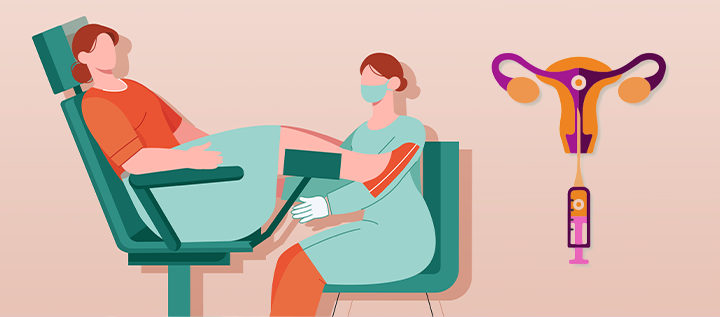
One of the most critical and determining steps in the IVF process is transferring the embryo into the uterus. The success of this stage depends on multiple factors, including embryo quality, uterine receptivity, and precise timing of transfer. Typically, embryo transfer is performed at a specific point—most commonly on day three or day five after fertilization. However, in certain cases, physicians may use a technique called two-stage embryo transfer to provide a greater chance for embryo implantation and pregnancy.
Two-stage embryo transfer, also known as sequential embryo transfer, involves placing embryos into the uterus at two different developmental stages. This may raise a common question: If this method increases implantation rates, why isn’t it used for all patients?
Currently, two-stage embryo transfer is not routinely or universally performed in fertility centers. Instead, it is mainly considered in specific cases, such as patients with repeated IVF failures, or within research settings. In the following sections, we will discuss in more detail the success rates of two-stage embryo transfer and the situations in which it may be recommended.
What is Two-Stage Embryo Transfer?
Sequential Embryo Transfer (SET) is an advanced IVF technique in which embryos are transferred in two separate stages within the same cycle to improve implantation success rates. There are several approaches to sequential embryo transfer, including:
- Day 3 and Day 5 embryo transfer
- Sequential transfer of fresh and frozen embryos
- Multiple blastocyst transfer (two blastocysts transferred on different days)
Stages of Two-Stage Embryo Transfer
Initially, two groups of laboratory-fertilized embryos are cultured for different durations: Day 2–3 embryos and Day 5 embryos.
- First transfer (Day 2–3): The first set of embryos, typically those with faster growth and good quality, are transferred into the uterus after 2–3 days of fertilization.
- Second transfer (Day 5–6): The second set of healthy, high-quality embryos is transferred on day 5–6. By this stage, these embryos are more developed, having reached the blastocyst stage, and may have a higher chance of implantation.
Who Are Suitable Candidates for Two-Stage Embryo Transfer?
Two-stage embryo transfer is designed to maximize implantation potential and increase the chances of pregnancy by optimizing the timing of embryo transfer. This approach is generally recommended for patients with the following conditions:
- Repeated IVF failures (multiple unsuccessful cycles despite transferring high-quality embryos)
- Thin endometrial lining
- Unexplained infertility
- Advanced maternal age
- Recurrent implantation failure
Benefits of Two-Stage Embryo Transfer
Two-stage embryo transfer is a specialized and targeted technique that can be helpful in certain clinical situations, but it is not suitable for every patient. The decision to use this method should always be based on a comprehensive evaluation of the patient’s history, fertility status, and specialist recommendation.
Key benefits include:
- Improved chances of implantation: Providing two separate opportunities for transfer increases the likelihood of synchronizing embryo development with optimal endometrial receptivity.
- Broader coverage of the implantation window: When the exact timing of endometrial receptivity is uncertain, transferring embryos in two stages may improve outcomes.
- Potential benefit for recurrent IVF failures: This technique may be considered for patients who have experienced multiple unsuccessful cycles.
- Utilization of embryos at different developmental stages: If some embryos are more suitable for transfer on day three and others on day five, both groups can be used effectively.
Disadvantages of Two-Stage Embryo Transfer
- Increased cost and more clinic visits: Since two separate transfers are required, patients may face additional appointments and, in some clinics, extra costs.
- Greater treatment complexity: Careful coordination and stricter timing are needed for optimal results.
- Higher risk of multiple pregnancy: If both transferred embryos implant successfully, the chances of twin or multiple pregnancies increase, which may carry additional risks.
- Limited scientific evidence: Current studies on the effectiveness of this method are limited and show mixed results. Two-stage transfer is not yet considered a universal or standard approach.
- Possible influence of the first transfer on the second: Some theories suggest that the first embryo transfer may have minor immunological or physiological effects on the subsequent transfer, although this has not been conclusively proven.
Success Rates of Two-Stage Embryo Transfer
One of the main potential benefits of two-stage embryo transfer is an increased chance of pregnancy. The optimal timing of endometrial receptivity remains one of the missing pieces in the implantation puzzle, particularly in patients with repeated IVF failures.
Various treatment strategies aim to match embryo development with the endometrial implantation window. However, in many cases, implantation failure is believed to occur due to a lack of synchronization between embryo quality and the individual’s receptive window.
From a theoretical standpoint, two-stage transfer extends the availability of embryos across the implantation window, thereby increasing the likelihood of successful IVF outcomes.
Is Two-Stage Embryo Transfer Suitable for Everyone?
This technique is not appropriate for all patients and may only be beneficial in specific cases or for particular groups of patients. The decision should always be made based on the fertility specialist’s assessment of the patient’s medical condition and history.
Since there is a gap between the two transfer sessions, additional preparation, closer coordination, and, in some cases, higher costs may be required. Moreover, current scientific evidence has not yet confirmed that two-stage transfer is more effective than single-stage transfer in all patients.
Some studies even suggest that for patients with normal conditions and no history of repeated failures, two-stage transfer offers no significant advantage over standard single-stage embryo transfer.
Frequently Asked Questions
Below are answers to some of the most common questions regarding two-stage embryo transfer.
How many days apart are the two transfers?
In two-stage embryo transfer, the interval between the two transfers is usually 2 to 3 days. The first transfer typically takes place on day 3 of embryo development, while the second is performed on day 5 or 6, when the embryo reaches the blastocyst stage.
If the first transfer fails, does it affect the second one?
Generally, no. Failure of one transfer does not necessarily have a negative impact on the other, as each embryo has an independent chance of implantation. However, since each transfer may be associated with mild uterine contractions or slight immune responses, some specialists suggest that the first transfer could have a minor influence on the receptivity of the second. Still, there is no conclusive scientific evidence to support this.
When should two-stage embryo transfer be considered?
This method is usually recommended in specific situations, such as:
- Repeated implantation failures
- Variable embryo quality, where some embryos are more suitable for early transfer and others for transfer on day 5
Does two-stage embryo transfer increase the chances of pregnancy?
Scientific evidence remains inconclusive. Some studies have shown improved implantation and pregnancy rates in patients with repeated IVF failures. However, in patients with good fertility potential, two-stage transfer has not demonstrated a clear advantage over single-stage transfer.
Is the risk of multiple pregnancy higher with two-stage transfer?
Yes. The likelihood of twin or multiple pregnancies is higher, especially if embryos from both transfers implant successfully. Therefore, in patients at higher risk of complications from multiple pregnancies (such as advanced maternal age, underlying health conditions, or history of preterm birth), this method should be used cautiously and selectively.
In Conclusion
Two-stage embryo transfer is a non-routine approach in infertility treatment, primarily considered in specific cases such as repeated IVF failures or asynchrony between embryo development and endometrial receptivity. This method aims to improve implantation chances by performing embryo transfers at two different time points, usually on day 3 and day 5.
While it may offer certain benefits, due to its complexity, higher cost, and increased risk of multiple pregnancy, two-stage embryo transfer should only be performed under the guidance of a fertility specialist and for carefully selected patients.