 فارسی
 العربیه
 English


Why Should We Freeze Eggs?
Advertising has a long history of influencing people with extraordinary promises—from a perfect cream that eliminates facial wrinkles even before they form, to exercise tools that strengthen your entire body in just a few days. Problems we didn't know we had and solutions offered to fix them! Recently, anxiety-inducing messages about fertility are being directed at young women who haven't yet decided when they want to become mothers. Women are being urged to freeze their eggs while they're young and not wait until their eggs "expire."
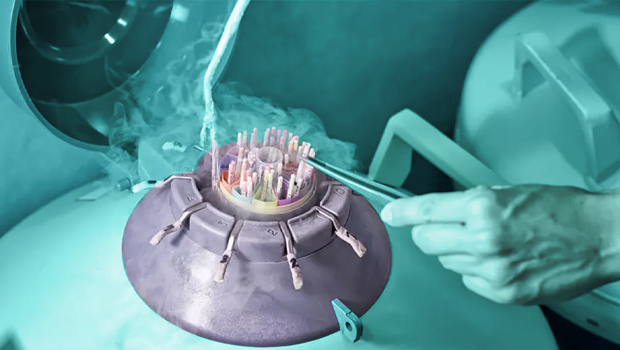
Egg freezing is a process where mature, high-quality eggs are extracted from the ovaries and frozen in a laboratory environment to preserve their quality. But is egg freezing truly necessary to maintain future fertility? What are the reasons for egg freezing? Who should consider freezing their eggs? Let's explore these questions.
Why Is Egg Freezing Necessary?
Women are born with approximately 1 to 2 million eggs, but this number doesn't remain constant throughout life. This is precisely why egg freezing is considered. Although reproductive systems vary among individuals, typically, both the quantity and quality of eggs decline over time. This decline starts gradually and becomes more pronounced after the age of 35.
As age increases, there won't be enough high-quality eggs available for pregnancy. This means that egg freezing as an assisted reproductive method can be valuable and highlights the necessity of egg freezing at a younger age.
What Is Egg Freezing and How Is It Done?
Egg freezing involves retrieving a number of a woman's eggs and freezing them so she can attempt pregnancy in the future through in vitro fertilization (IVF) using her own eggs. If you decide to freeze your eggs, you'll undergo hormone injections for 10 to 12 days to stimulate your ovaries to produce more eggs. After taking the medications, your doctor will monitor the growth of the eggs using ultrasound and blood tests to determine the optimal time to retrieve the eggs from the ovaries. Once your eggs are ready, your doctor will retrieve them through the vagina in a surgical center while you're under anesthesia, and the eggs will be immediately frozen.
Main Reasons for Freezing Eggs
Initially, egg freezing was used as a way to preserve fertility before undergoing medical treatments like chemotherapy, which can lead to infertility. However, today, women freeze their eggs for various reasons to delay starting a family and overcome age-related fertility decline. The main reasons for freezing eggs include:
- Women planning to undergo ovarian surgery;
- Women with conditions like Turner syndrome and fragile X syndrome that can lead to premature ovarian failure;
- Women with ovarian-related diseases such as endometriosis;
- Women who are not yet married;
- Women who wish to delay pregnancy for reasons like education, career, or personal choices.
Benefits of Egg Freezing
In addition to medical reasons for egg freezing, social pressures to find a life partner and start a family can be highly stressful for many women. Freezing eggs helps alleviate this urgency, allowing women to feel more at ease in their search for a partner. Many women also feel that becoming pregnant before the age of 35 could impact their careers or educational progress. Therefore, many women choose to delay starting a family for professional reasons.
Moreover, having and raising a child is expensive, which is another significant advantage of fertility preservation methods like egg freezing, giving women more time to save money. Preparing for the responsibilities of motherhood is another benefit of egg freezing. Having a child is a significant responsibility, so beyond financial readiness, it's important to feel emotionally prepared for this step. Some women freeze their eggs to give themselves more time until they're ready to embrace this commitment.
Who Should Consider Egg Freezing?
Aging and the subsequent decrease in the quantity and quality of eggs in the ovaries is an inevitable physiological process. Therefore, egg freezing is recommended for all women who are aging (especially after the age of 35) and do not currently plan to have children. Additionally, medical reasons for egg freezing further emphasize its necessity. Medical reasons for egg freezing include:
- Family history of early menopause;
- Premature ovarian failure;
- Cancer and chemotherapy;
- Autoimmune diseases like lupus;
- Genetic conditions;
- Ovarian-related diseases such as endometriosis.
Challenges and Limitations of Egg Freezing
The duration of storing frozen eggs is one of the challenges individuals face with their frozen eggs. Fortunately, new methods are available to preserve eggs indefinitely.
Another challenge and limitation of egg freezing is age. At older ages, especially after 40, it's unlikely that sufficient high-quality eggs remain in the ovaries. Therefore, it's important to consider freezing your eggs at an appropriate age.
Best Age for Egg Freezing
The younger you are when you freeze your eggs, the higher the success rate of egg freezing, and the more likely you are to benefit from its advantages. Before the age of 35 is considered the most suitable time for egg freezing.
Chances of Pregnancy with Frozen Eggs
Egg freezing can help you have a child. However, we must remember that, unlike other insurance policies where you can rely on payouts if something goes wrong, we won't know the outcome of egg freezing unless we use the frozen eggs or embryos. Advances in medical science over the past decade, especially the shift from slow freezing to rapid freezing methods, help doctors better protect and preserve eggs. Rapid freezing limits the formation of ice crystals and allows a much higher survival rate for thawed eggs.
This method isn't a guarantee for the future, but it's the best option we have. Women under 35 have the highest chance of becoming pregnant using frozen eggs. Some eggs may not fertilize or implant correctly, so women may need multiple embryo transfers to achieve pregnancy. Typically, depending on the age at which women freeze their eggs, about one-third of those who use them become mothers.
Insurance Coverage for Egg Freezing
As fertility treatments and egg freezing become more common, more companies are covering them. While egg freezing itself is a financial commitment, it can save you money in the long run by increasing the success rate of IVF at older ages.
Frequently Asked Questions
Let's address some common questions you might have.
Is egg freezing necessary for all women?
Yes, no one is immune to aging and its impact on fertility. Therefore, egg freezing is recommended for all women, especially after the age of 35.
What is the best age to freeze eggs?
The sooner you freeze your eggs, the better. The importance of egg freezing at a younger age lies in having more and higher-quality eggs to freeze. Before the age of 35 is the best time for egg freezing.
Why has egg freezing become popular in Iran?
Changes in life circumstances and priorities have led many people to consider having children at older ages. However, the quality of eggs decreases with age. This is why egg freezing is recommended. Egg freezing is the only way to preserve future fertility and has become a popular method nowadays.
If I don't plan to have children, should I still freeze my eggs?
You've likely experienced situations in life where your opinions or decisions have changed over time. Your decision about having children may also change, and you might consider having a child someday. Therefore, it's recommended to use egg freezing as a fertility insurance policy.
Why is egg freezing a safe method for preserving fertility?
A woman's eggs have been with her since she was a fetus. Naturally, as age increases, the quality of eggs decreases. By freezing eggs and storing them in suitable conditions, their quality is preserved, allowing you to use them whenever you're ready to become a mother.
Who is egg freezing more suitable for?
All women who, for any reason, wish to delay their fertility need to consider egg freezing. However, egg freezing is especially important for women with ovarian issues or certain medical conditions. It's also recommended for women with genetic problems.
Why is egg freezing recommended for women with cancer?
Cancer itself doesn't damage ovarian reserves, but the medications used for chemotherapy or radiation therapy can harm the ovaries and eggs. The reason for recommending egg freezing to cancer patients is concern about the medications used to treat the disease. Therefore, egg freezing is considered the only way to preserve future fertility for women with cancer.
In Conclusion…
Egg freezing is a form of fertility insurance that's good to have, even if you never end up needing it. Aging and the decline in egg quality are the main reasons for egg freezing. While we can't stop aging, we can help preserve future fertility by storing eggs in suitable conditions. We hope this article has highlighted the importance of egg freezing. We're here to support you in making the best decision for preserving your future fertility.