 فارسی
 العربیه
 English
IVF Success Rate on the Second Attempt: Chances, Factors, and Expert Tips
The journey to motherhood isn’t always smooth or effortless for every woman. Statistics show that about one in five couples fail to conceive naturally after months of trying and eventually require assisted reproductive techniques. These methods include fertility medications, intrauterine insemination (IUI), and ultimately, in vitro fertilization (IVF). Among these options, IVF is typically considered the final and most advanced treatment for infertility, as it involves more complex steps and places greater physical and emotional demands on couples.
But does IVF always lead to success?
Unfortunately, no. Although IVF is one of the most advanced fertility treatments and offers a high success rate, it does not guarantee pregnancy. Still, for many families, IVF represents a door of hope and the beginning of a new chapter in life.
In this article from MOM’s online magazine, we will explore the chances of pregnancy with IVF on the first try, factors that influence success in the initial cycle, and strategies to improve the success rate of IVF on a second attempt.
What Is IVF?
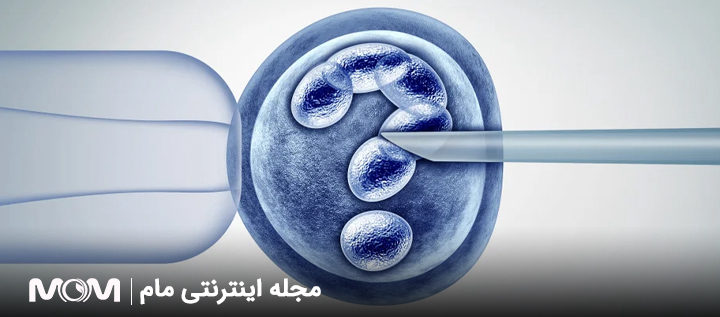
In vitro fertilization (IVF) is an assisted reproductive treatment in which sperm is combined with eggs retrieved in an embryology lab to form embryos. In this process, hormonal medications are used to stimulate the ovaries to ensure that the maximum number of mature eggs are produced. These hormonal drugs also raise estrogen levels, which help thicken the uterine lining and support embryo implantation.
If a high number of eggs are retrieved and more embryos are created than are needed for the initial transfer, the remaining embryos can be frozen for a second attempt or for future attempts at having a child.
When Is a Second IVF Attempt Needed?
Although IVF has a high success rate, it does not guarantee pregnancy, and a second attempt may sometimes be necessary to achieve results. A second IVF cycle may be needed in the following situations:
- Failed embryo implantation (the embryo did not successfully attach to the uterine lining)
- Poor egg or embryo quality
- Weak response to ovarian stimulation medications
- Uterine or immunological issues that prevent implantation
- Chromosomal abnormalities in the embryos
What Is the Success Rate of IVF on the Second Attempt?
First and foremost, it's important to understand that the chances of pregnancy through IVF are influenced by many factors, one of which is the number of cycles completed. Evidence suggests that the cumulative success rate increases by the second IVF attempt.
A second IVF cycle offers the opportunity to address issues encountered in the first one. After a failed initial cycle, the fertility team will review the entire case to identify any potential problems. For example, ovarian stimulation protocols can be adjusted, hysteroscopy may be performed to detect hidden conditions such as endometriosis, or donor eggs or sperm may be considered.
Even if no specific issue is found during evaluation, the success rate of the second IVF attempt still tends to be higher. However, even under ideal conditions, IVF success is not guaranteed—luck also plays a significant role and should be acknowledged.
What Factors Influence the Success Rate of a Second IVF Attempt?
The success of a second IVF cycle depends on several factors—some modifiable, others not. The most important factors include:
Female age
Age is one of the strongest predictors of IVF success. As age increases, egg quality and quantity decline.
Body Mass Index (BMI)
Women with a high or low BMI may have lower IVF success rates. Excess weight can negatively affect response to ovarian stimulation and egg quality.
Cause of infertility
Certain causes—like severe endometriosis or diminished ovarian reserve—are associated with lower IVF success.
Quality and number of transferred embryos
Embryo quality (based on morphology and lab development) plays a major role. Transferring high-grade (Grade A) embryos increases the chances of success.
Response to stimulation drugs
The number of retrieved eggs and the ovarian response in the first cycle can be good predictors for the second cycle's success.
Medication protocol
Selecting the right stimulation protocol and adjusting medication doses in the second cycle based on the first cycle can lead to improved outcomes.
Fresh vs. frozen embryo transfer
Some studies suggest frozen embryo transfers may yield better results in certain cases, especially when endometrial thickness is suboptimal in fresh transfers or ovarian hyperstimulation syndrome (OHSS) is present.
Psychological stress and emotional factors
Stress and emotional pressure can negatively impact treatment. Receiving psychological support during the IVF process may be beneficial.
How to Increase the Success Rate of a Second IVF Attempt
The chances of pregnancy in a second IVF cycle depend on a combination of physical, genetic, and psychological factors. Consulting a fertility specialist and reviewing your individual case can help determine the best approach to improve your chances of success. Below are some key strategies and tips:
Choose a reputable fertility clinic and specialist
One of the most important factors in IVF success is selecting an experienced fertility doctor and a specialized, trusted clinic.
Medical evaluation and identifying reasons for previous failure
A thorough consultation with your fertility specialist regarding the failed IVF attempt is essential. This evaluation may include:
- Review of the previous cycle results (egg, sperm, embryo quality, endometrial thickness)
- Repeat hormonal tests (AMH, FSH, LH, Estradiol, TSH, etc.)
- Uterine evaluation (sonohysterography or hysteroscopy if needed)
- Assessment of ovarian response and adjustment of the medication protocol for the second cycle
Utilize advanced techniques
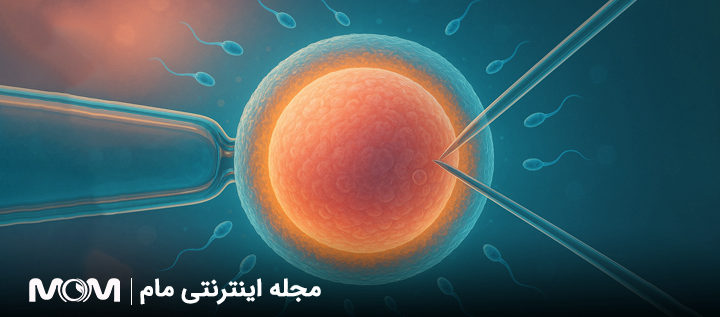
To improve the chances of success, advanced methods such as ICSI (intracytoplasmic sperm injection) can be used, especially in cases of poor ovulation or weak sperm.
Maintain a healthy diet
A balanced and nutritious diet can significantly impact IVF success. Foods rich in antioxidants, vitamins (especially vitamin D and folic acid), and minerals like iron and zinc can improve egg and sperm quality.
Achieve a healthy weight
Women with a healthy BMI have a better chance of IVF success. Both overweight and underweight conditions can disrupt hormone balance and lower the quality of eggs and sperm.
Avoid smoking and alcohol
Smoking and alcohol consumption can damage eggs and sperm and reduce the effectiveness of IVF treatments.
Don't delay treatment
Age is one of the most critical factors in IVF success. For women over 35, the chances of success decrease. Therefore, it’s recommended to resume treatment as soon as possible. For women over 35, ovarian reserve tests like AMH can provide valuable insights into egg quality.
Consider genetic testing
In some cases, preimplantation genetic testing (PGT) can help select healthier embryos and reduce the risk of genetic issues. This is especially recommended for women over 35 or those with a history of genetic disorders.
Post-embryo transfer care
Adequate rest and following your doctor’s instructions for medication and testing after embryo transfer can significantly impact success rates.
Reduce stress
Stress can negatively affect hormone levels and ovarian function. Relaxation techniques such as meditation, yoga, or massage therapy can help reduce stress and improve your chances of success.
How Soon Can You Try IVF Again After a Failed Attempt?
Continuing fertility treatment after a failed IVF attempt depends on your doctor's recommendation and your individual medical condition. If the doctor considers it appropriate and your body is ready, it may be possible to try IVF again as early as the next menstrual cycle—approximately 4 to 6 weeks after the failed attempt. However, many fertility specialists recommend waiting 1 to 3 months between cycles to allow for full recovery and a thorough evaluation of the previous cycle.
IVF Success Rate on the Second Attempt Based on Age and Individual Factors
The success rate of IVF on the second attempt can vary significantly depending on the couple's age and overall health. Maternal age is one of the most critical factors influencing IVF outcomes. While there is no universally fixed success rate for the second IVF cycle, previous experience with a failed cycle can help guide and optimize future treatment decisions. It's important to note that IVF success rates drop significantly in women over the age of 40. Here’s a general breakdown of IVF success rates for a second cycle based on maternal age:
- Under 35: approximately 46%
- Age 35–37: approximately 34%
- Age 38–40: approximately 21%
- Age 41–42: approximately 10%
- Age 43 and older: approximately 3%
Frequently Asked Questions About IVF Success Rates on the Second Attempt
Is the second IVF attempt more successful than the first?
Yes, in many cases, the second attempt may have a slightly higher chance of success. This is because your fertility specialist now has more detailed information about how your body responded during the first cycle and can tailor the next one accordingly. However, overall success still depends on individual factors such as age, embryo quality, and uterine condition.
Does the cause of infertility affect second IVF success?
Absolutely. The underlying cause of infertility plays a significant role in the outcome of a second IVF cycle. Fertility specialists consider this factor carefully when planning the next steps.
What if the reason for the first IVF failure is unknown?
Sometimes, all conditions for a successful IVF cycle appear optimal, yet implantation fails. In these cases, there’s often no choice but to proceed with a second or even third cycle. Many couples do achieve success in these later attempts.
Does age limit the chances of success in the second IVF cycle?
While age is a significant factor that can reduce the chances of IVF success, many women of advanced maternal age have achieved pregnancy in their second or third IVF cycle—especially when adjustments are made to medications, dosages, or techniques.
In Conclusion…
The success of IVF on the second attempt depends on several factors including the woman’s age, cause of infertility, embryo quality, lifestyle, and emotional well-being. Most experts recommend waiting 1 to 3 months after a failed cycle to allow the body and mind time to recover. Making lifestyle improvements, taking the right supplements, reducing stress, and thoroughly analyzing the reasons for a failed attempt can significantly improve the chances of success. Consulting with a fertility specialist and utilizing advanced techniques like genetic screening (PGT) or ICSI may further boost outcomes.
At MOM Fertility Center, the most advanced fertility clinic in the Middle East—with a 60% success rate in IVF—we are committed to walking this journey with you. Our experienced and compassionate team is here to support you every step of the way.