 فارسی
 العربیه
 English

Understanding the Embryo Transfer Process in IVF
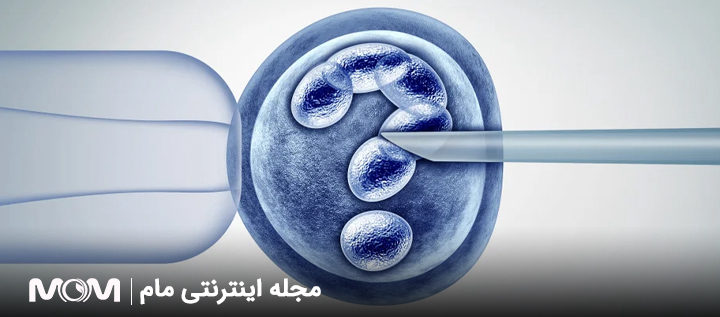
For couples struggling with infertility, assisted reproductive technologies like in vitro fertilization (IVF) can offer a path to parenthood and help them achieve their dreams. If you're undergoing fertility treatment, chances are you've already heard of embryo transfer. As part of the IVF process, once an embryo is created in the lab, you will undergo an embryo transfer procedure.
The embryo transfer stage in IVF is a moment filled with hope and anticipation. It involves transferring a fertilized egg into the uterus, with the goal that it will implant successfully and lead to a healthy pregnancy. After a successful embryo transfer, various symptoms may appear. In this article, you'll learn about the steps involved in the embryo transfer process and what to expect afterward.
What Is Embryo Transfer?
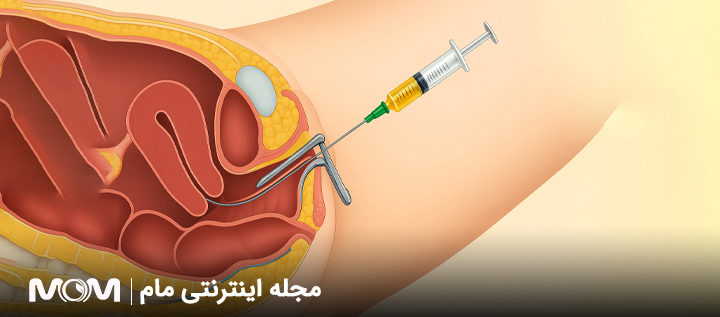
Embryo transfer is the final stage of the in vitro fertilization (IVF) process. In this procedure, after an embryo is created in the laboratory by fertilizing an egg with sperm, the resulting embryo—or embryos—are transferred into the woman's uterus. This typically takes place 3 or 5 days after fertilization, using a thin, soft tube called a catheter, which is inserted through the vagina into the uterus.
You can expect the procedure to be relatively simple. Embryo transfer is much less invasive than egg retrieval and does not require sedation or anesthesia. During the transfer, an ultrasound probe is used to help place the embryos in the area of the uterus where they are most likely to implant successfully into the uterine lining.
What Are the Stages of Embryo Transfer in IVF?
Embryo transfer is a short procedure, similar to a Pap smear or a basic vaginal exam, and typically takes around 15 minutes. During the procedure, the doctor inserts a speculum into the vagina and uses a thin, flexible catheter containing the embryos to gently guide them through the cervix and into the uterus. Once the embryos are transferred, the patient may be given some time to rest if needed. However, since the procedure is considered non-invasive, extended rest is usually not necessary. After either a fresh or frozen embryo transfer, the patient can generally return home the same day and resume normal daily activities.
You might wonder on which day of the menstrual cycle a frozen embryo transfer is typically performed. The timing of the transfer depends on the condition of the uterine lining, but in most cases, day 18 or 19 of the cycle is considered ideal for transferring a frozen embryo.
Types of Embryo Transfer Methods in IVF
Depending on the couple’s specific circumstances, the condition of the embryo, and the specialist’s recommendation, there are several methods for transferring embryos into the uterus. These include fresh embryo transfer, frozen embryo transfer (FET), and transfers at different stages of embryo development—such as on day 3 or day 5. Each of these approaches has its own advantages, disadvantages, and specific indications, which will be discussed in more detail below.
Fresh Embryo Transfer
In this method, once the mother's eggs are retrieved and fertilized, your fertility specialist will determine which embryo has the highest potential for implantation. Three to five days after the initial egg retrieval, the freshly developed embryos are transferred into the uterus.
Frozen Embryo Transfer (FET)
Frozen embryo transfer is the most common type of IVF transfer today, as it allows for genetic testing of the embryos before implantation. This can improve success rates and reduce the risk of genetic abnormalities or miscarriage. It also gives the mother’s body time to reach optimal uterine conditions for implantation. In this method, after the eggs are retrieved and fertilized, the embryos are frozen and later thawed before being transferred to the uterus.
Day 3 Embryo Transfer
Since not all embryos survive until day 5, some fertility specialists choose to transfer embryos on day 3. This approach ensures that the embryo is placed into the uterus early enough to continue developing in its natural environment.
Day 5 Embryo Transfer (Blastocyst Transfer)
Blastocysts typically form by day 5. They are often considered more viable than earlier-stage embryos because they have a higher likelihood of being genetically normal, implanting successfully, and leading to a healthy pregnancy. By extending the development period before transfer, your fertility specialist can better identify the embryos with the highest potential for successful implantation and pregnancy.
Signs of a Successful Embryo Transfer
After a frozen or fresh embryo transfer, it's normal to experience some symptoms. However, 10 to 15 percent of patients with a successful transfer—despite having additional progesterone and estrogen in their system—report no symptoms at all. So, it's completely natural to experience either no symptoms or only mild ones after embryo transfer.
Here are some of the most common signs of a successful embryo transfer:
- Uterine or abdominal cramping
- Bloating
- Breast tenderness
- Fatigue
- Changes in vaginal discharge
- Frequent urination
- Missed period
- Spotting
- Lower back pain
- Positive pregnancy test
Preparing for a Frozen Embryo Transfer (FET)
- Stick to your medications and take them consistently. Ask your doctor whether over-the-counter supplements, such as vitamin D, are necessary.
- Get enough rest before and after the transfer. Allow your body time to relax, and avoid intense physical activity.
- Follow a high-fat, low-carb diet, which may help reduce inflammation in the body.
- Arrive for the transfer with a full bladder, as this helps during the ultrasound-guided procedure.
What Affects the Success of Embryo Transfer?
Many women seek post-transfer care tips to boost their chances of a successful pregnancy. However, there is no solid evidence that any specific behavior during this time increases success rates. Extended rest after embryo transfer is not necessary, and you're encouraged to return to work and resume your usual activities. That said, you may choose to rest for a few days around the time of the transfer if you feel more comfortable doing so.
Bathing or having intercourse does not impact your chances of pregnancy.
Nutrition After Embryo Transfer in IVF
Eating well after embryo transfer may help support a successful outcome. Maintaining a balanced, nutrient-rich diet is always beneficial for your overall health during fertility treatment. Try to include the following in your post-transfer meals:
- Foods rich in vitamins and minerals
- Omega-3 fatty acids
- Magnesium
- Zinc
- Cruciferous vegetables
- Vitamin B6
- Plenty of water
How Many Embryos Are Transferred in Each IVF Cycle?
The goal is to limit the number of embryos transferred to reduce the risk of multiple births.
- If you're under 35, have high-quality embryos, and are undergoing your first IVF cycle, typically one embryo is transferred. This provides a high chance of a healthy pregnancy and a low chance of twins.
- If embryo quality is lower, your doctor may suggest transferring more than one to improve the chances of implantation.
- If you're over 35, it may be recommended to transfer two embryos.
- If you're 40 or older, your doctor may discuss the option of transferring up to three embryos, depending on your circumstances. Any remaining viable embryos will usually be frozen for future use.